How to Feel Safe in Softness (Especially If You’ve Always Been in Survival Mode)

How to Feel Safe in Softness (Especially If You’ve Always Been in Survival Mode)

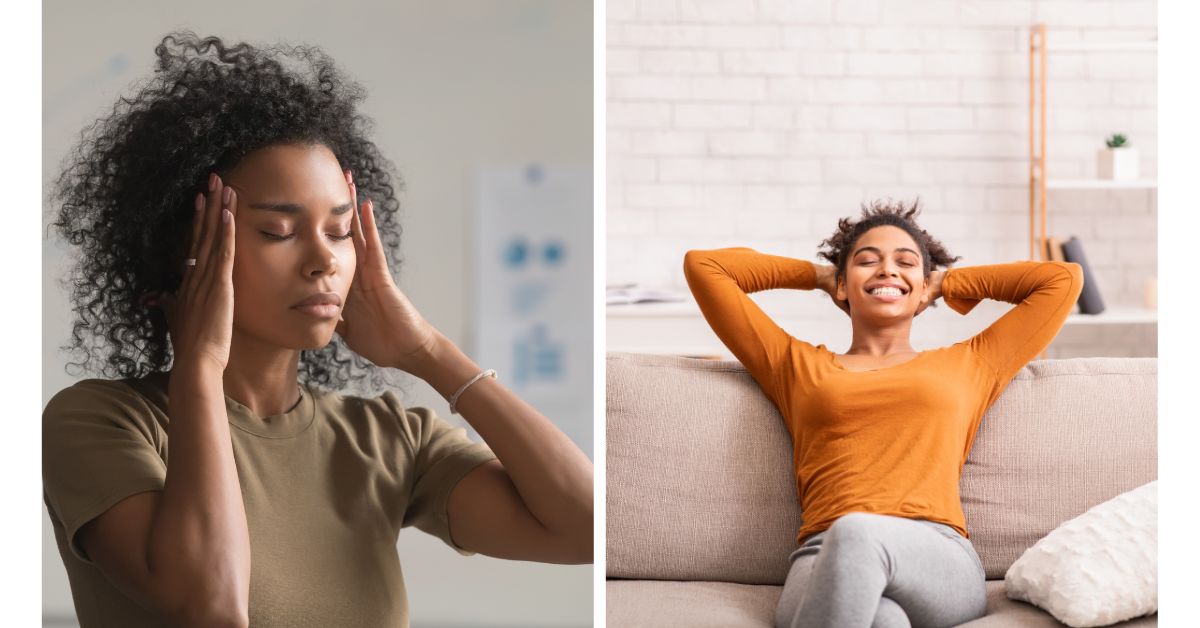
If you’ve spent most of your life in survival mode, softness can feel… unfamiliar.
Even uncomfortable.

You might find it hard to relax, always waiting for the next problem, the next stress, the next thing to go wrong. Your body has been trained to stay alert—to protect you.

So when life finally slows down, instead of peace… you feel anxious.

This is where the real work begins: learning how to feel safe in softness.

What Is Survival Mode?

Survival mode is when your mind and body are constantly focused on getting through—rather than living fully.

It can look like:

  • Always being “on edge”
  • Struggling to rest without guilt
  • Overworking or overthinking
  • Feeling uncomfortable when things are calm

This isn’t a personality flaw—it’s a nervous system response.

Why Softness Feels Unsafe at First

Softness requires you to let your guard down.
And if you’ve been in survival mode for a long time, your body associates letting go with danger.

So instead of feeling peaceful, you might feel:

  • Restless
  • Irritated
  • Emotionally overwhelmed
  • Or even numb

This is completely normal.

Your body isn’t broken—it’s just trying to keep you safe the only way it knows how.

How to Feel Safe in Softness

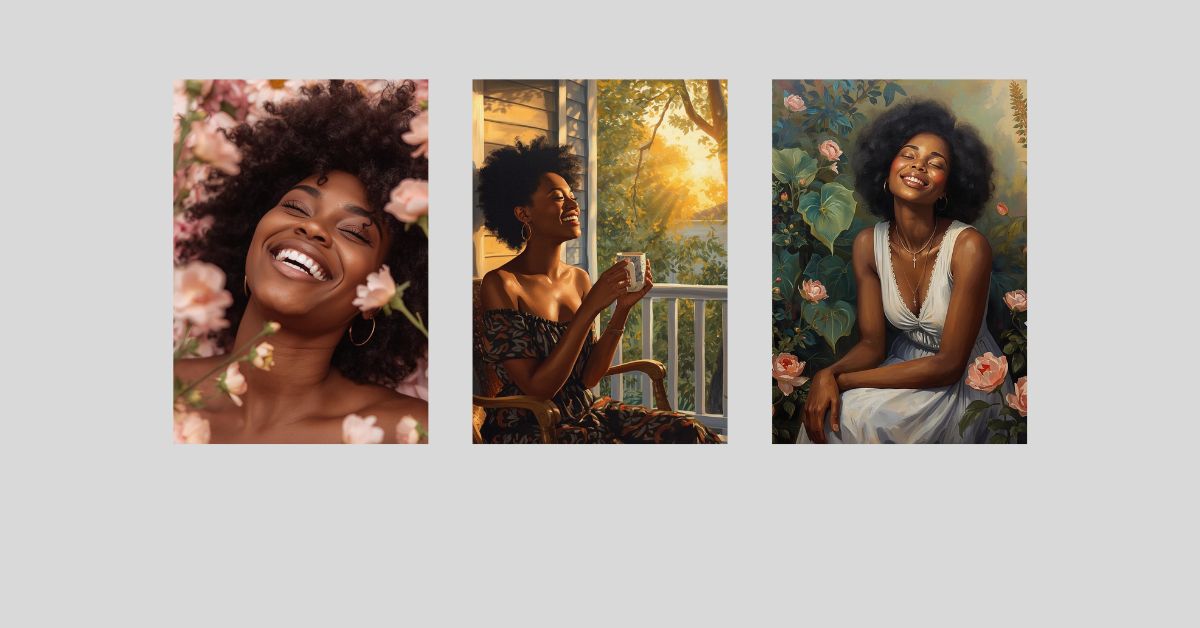
You don’t force softness—you build safety within it. Slowly, gently, and consistently.

1. Start With Small Moments of Softness

You don’t have to overhaul your entire life overnight.

Start with:

  • Sitting in silence for 2 minutes
  • Drinking your coffee without distractions
  • Taking a slow, mindful shower

Let your body experience calm in small doses.

.

2. Regulate Your Nervous System Daily

Your body needs support to move out of survival mode.

Try:

  • Deep breathing
  • Gentle stretching
  • Walking in nature
  • Listening to calming music

Consistency matters more than intensity.

3. Release the Need to Always Be “Productive”

Softness and constant productivity don’t coexist.

Remind yourself:

Rest is not laziness. It’s regulation.

Give yourself permission to pause without needing to “earn” it.

4. Create a Safe, Soft Environment

Your surroundings can either trigger stress—or invite calm.

Add simple elements like:

  • Warm lighting
  • Soft textures (blankets, pillows)
  • Clean, peaceful spaces
  • Candles or calming scents

Your environment should feel like exhale energy.

5. Learn to Sit With Peace

This is the hardest part.

When things are quiet, your mind might try to create problems because that’s what it’s used to.

Instead of reacting:

  • Notice the feeling
  • Breathe through it
  • Remind yourself: I am safe right now

Over time, your body will start to believe it.

6. Reconnect With Your Feminine Energy

Feminine energy thrives in softness, presence, and flow.

You can activate it through:

  • Creativity (journaling, art, music)
  • Self-care rituals
  • Slowing down your pace
  • Allowing yourself to receive

This isn’t about being “perfectly feminine”—it’s about feeling aligned and at ease.

7. Be Patient With Your Healing

You’re not going to switch out of survival mode overnight.

Some days will feel soft.
Some days will feel heavy again.

That doesn’t mean you’re failing.

It means you’re rewiring years of conditioning—and that takes time.

Final Thoughts

Learning how to feel safe in softness is a journey—not a destination.

It’s choosing, again and again, to:

  • Slow down
  • Trust yourself
  • Let go of constant tension

Softness is not weakness.
It’s a different kind of strength—the kind that doesn’t come from force, but from feeling safe enough to finally relax.

Are you ready to step out of
survival mode and into softness?

Comment below what part of your journey you’re currently in—and if this spoke to you, share it with someone who needs this reminder too. 💌

Share Link

Facebook
LinkedIn
Get The Latest Updates

Subscribe To Our Newsletter

Most Popular

Affiliate Disclaimer:

Some of the links on this blog are affiliate links, which means I may earn a small commission if you make a purchase through them, at no additional cost to you. I only recommend products and services I genuinely believe will add value to my readers. Your support helps keep this blog running, and I appreciate your trust!