Why Rest Feels Uncomfortable (And How to Fix It)

Why Rest Feels Uncomfortable (And How to Fix It)

You finally have time to rest…

But instead of feeling relaxed, you feel:

  • restless
  • anxious
  • guilty

You reach for your phone.
You think about what you should be doing.
You feel like you’re wasting time.

And somehow, resting feels harder than working.

If that sounds familiar, you’re not alone.

Because for many people, rest doesn’t feel natural—it feels uncomfortable.

⚠️ Why Rest Feels So Hard

Rest isn’t just physical.

It’s emotional.
Mental.
Nervous system deep.

If you’ve spent a long time in:

  • survival mode
  • constant productivity
  • high stress

Your body gets used to that pace.

So when things slow down…
it doesn’t feel safe.

It feels unfamiliar.

.

💔 The Real Reason You Can’t Relax

It’s not that you don’t want to rest.

It’s that your body doesn’t recognize rest as safe yet.

You’ve been conditioned to believe:

  • You have to earn rest
  • Doing nothing is unproductive
  • Slowing down means falling behind

So when you try to relax, your mind stays active.

Your body stays alert.

Because it thinks it still needs to do something.

🚨 Signs You’re Not Used to Rest


You might notice:

  • You feel guilty when you’re not being productive
  • You constantly check your phone while “resting”
  • You struggle to sit still without distractions
  • You feel anxious when things are quiet
  • You overthink instead of relaxing

These aren’t personality traits.

They’re patterns.

And they can be changed.

🌿 How to Make Rest Feel Safe Again

You don’t force yourself into rest.

You ease into it.

1. Start With Small Moments

Don’t go from 100 to 0.

Try:
  • 5 minutes of stillness
  • Sitting without your phone
  • Taking a slow breath

Build tolerance slowly.

2. Remove the Guilt Around Rest

Rest is not something you earn.

It’s something you need.

Shift from:
“I should be doing something”

To:
“This is part of taking care of myself”

3. Regulate Your Nervous System

Rest becomes easier when your body feels safe.

Try:

  • Deep breathing
  • Gentle stretching
  • Calm music or silence

These signals tell your body it’s okay to relax.

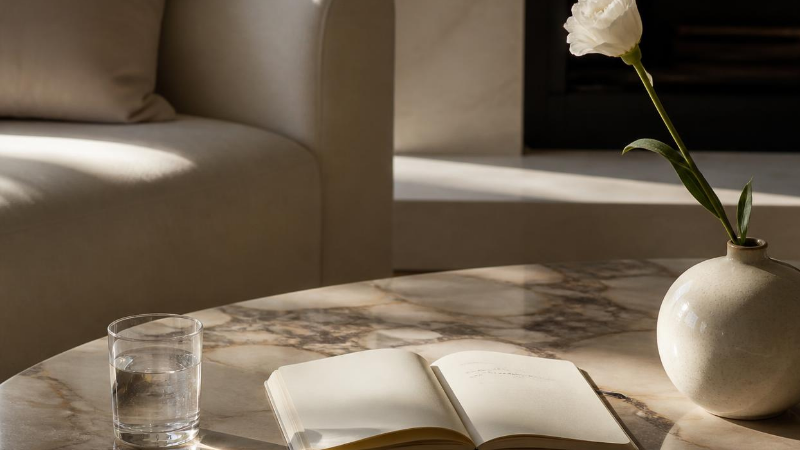
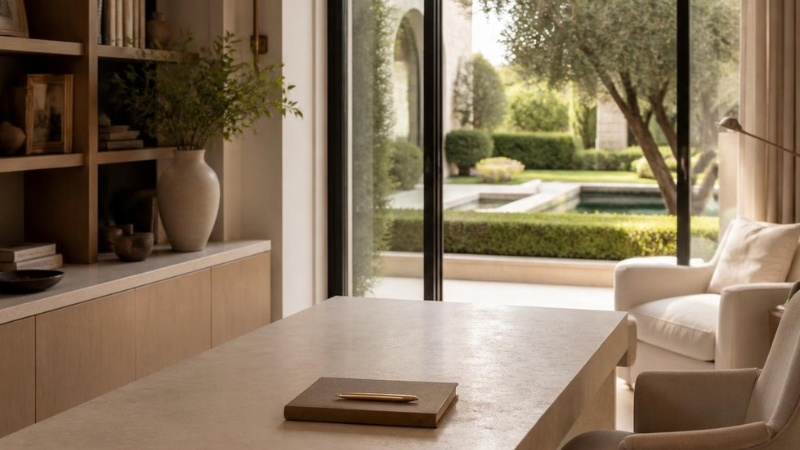
4. Create a Soft Environment

Your surroundings matter.

Make rest feel inviting:

  • Soft lighting
  • Cozy textures
  • Calm space


Your environment can support your nervous system.

5. Let Your Mind Slow Down Gradually

If your thoughts race when you stop…

That’s okay.

Don’t fight it.

Let your mind release what it’s been holding.

Stillness often brings things to the surface before it brings peace.
💫 Relearning How to Rest

Rest is a skill.

And like any skill, it takes practice.

At first, it may feel uncomfortable.

But over time:

  • Your body relaxes faster
  • Your mind quiets more easily
  • Rest starts to feel natural

You’re not bad at resting.

You’re just not used to it yet.

🌷 Final Thoughts

If rest feels uncomfortable, it doesn’t mean you’re doing it wrong.

It means your body is adjusting.

Learning that it’s finally safe to slow down.

And that process takes time.

Be patient with yourself.

Because one day, the thing that once felt uncomfortable…
will become the thing you crave.

Do you struggle to truly relax?
What does rest feel like for you right now? Share in the comments—and send this to someone who needs permission to slow down

🛍️ Soft Rest Essentials for Burnout Recovery

If rest feels uncomfortable, sometimes it’s not just mindset—it’s your environment and habits. These gentle tools can help your body feel safe enough to actually relax.

(This post may contain affiliate links. I may earn a small commission at no extra cost to you.)

🕯️ 1. Create a Calm Environment

Your nervous system responds to your surroundings first.

Try:

  • Lavender or chamomile scented candles → signals your body to slow down
  • Essential oil diffuser + calming oils → reduces mental tension
  • Warm ambient lighting or salt lamps → less stimulation than harsh lights

💡 Use these during your evening wind-down routine.

🛏️ 2. Make Rest Feel Physically Safe

Sometimes your body needs physical support to relax.

Try:

  • Weighted blanket → helps reduce anxiety + promotes calm
  • Soft throw blankets or cozy loungewear
  • Silk pillowcases → comfort + better sleep quality


💡 Think: “Does this space feel like an exhale?”

🍵 3. Support Your Body With Calming Rituals

What you consume can either stimulate or soothe you.

Try:

  • Chamomile or herbal teas → promotes relaxation
  • Magnesium supplements or bath flakes → supports nervous system
  • Adaptogen blends (like ashwagandha) → helps manage stress


💡 Replace one “stress habit” with a calming ritual.

🛁 4. Turn Rest Into a Ritual (Not Just a Break)

Rest feels easier when it’s intentional.

Try:

  • Epsom salt baths → muscle + stress relief
  • Body oils (lavender, rose) → grounding + sensory comfort
  • Silk or satin robes → signals softness + ease


💡 Romanticize your rest—it helps your brain accept it.

💤 5. Improve Your Sleep Quality

Deep rest starts at night.

Try:

  • Sleep masks → block distractions
  • White noise or sound machines → deeper sleep cycles
  • Guided sleep audio or calming playlists


💡 Better sleep = easier daytime calm.

💫 Soft Reminder

You don’t need to buy everything.

Start with one small shift—one item, one ritual, one moment of softness.

That’s how your body learns:

“It’s safe to rest now.”

If resting has felt hard for you, start by making your space and routines feel more supportive.
Explore what helps you slow down—even just a little—you deserve to feel at ease. 🌸

Share Link

Facebook
LinkedIn
Get The Latest Updates

Subscribe To Our Newsletter

Most Popular

Affiliate Disclaimer:

Some of the links on this blog are affiliate links, which means I may earn a small commission if you make a purchase through them, at no additional cost to you. I only recommend products and services I genuinely believe will add value to my readers. Your support helps keep this blog running, and I appreciate your trust!